The Best Restaurants in Singapore
Singapore eats like a much bigger city, from kopitiam breakfasts and hawker classics to tasting menus that treat the Malay Archipelago as a single pantry. Across the island, the most interesting kitchens are thinking about supply chains as carefully as seasoning, working with regional farms and fisheries, revisiting heritage recipes, and treating food waste as material, not an afterthought.
The Monolith. Courtesy of FIZ.
Seroja
Best for: Long, contemplative meals on Nusantara flavors
Neighborhood: Harbourfront / Bugis–Rochor fringe (DUO Galleria)
Price: $$$$
North Stars:



In a pale, high-ceilinged room at DUO Galleria, Seroja builds a tasting menu around the wider Malay Archipelago, with courses that move from coastal Malaysia to the Indonesian islands and back to Singapore. Chef Kevin Wong’s team works tightly with small producers in the region and treats each spice, grain, and fish as a way to talk about place, which is partly why the restaurant holds both a Michelin star and Singapore’s first Michelin Green Star. Service is attentive but not stiff, and the room tends to draw diners who want a serious, story-led meal rather than a quick night out.
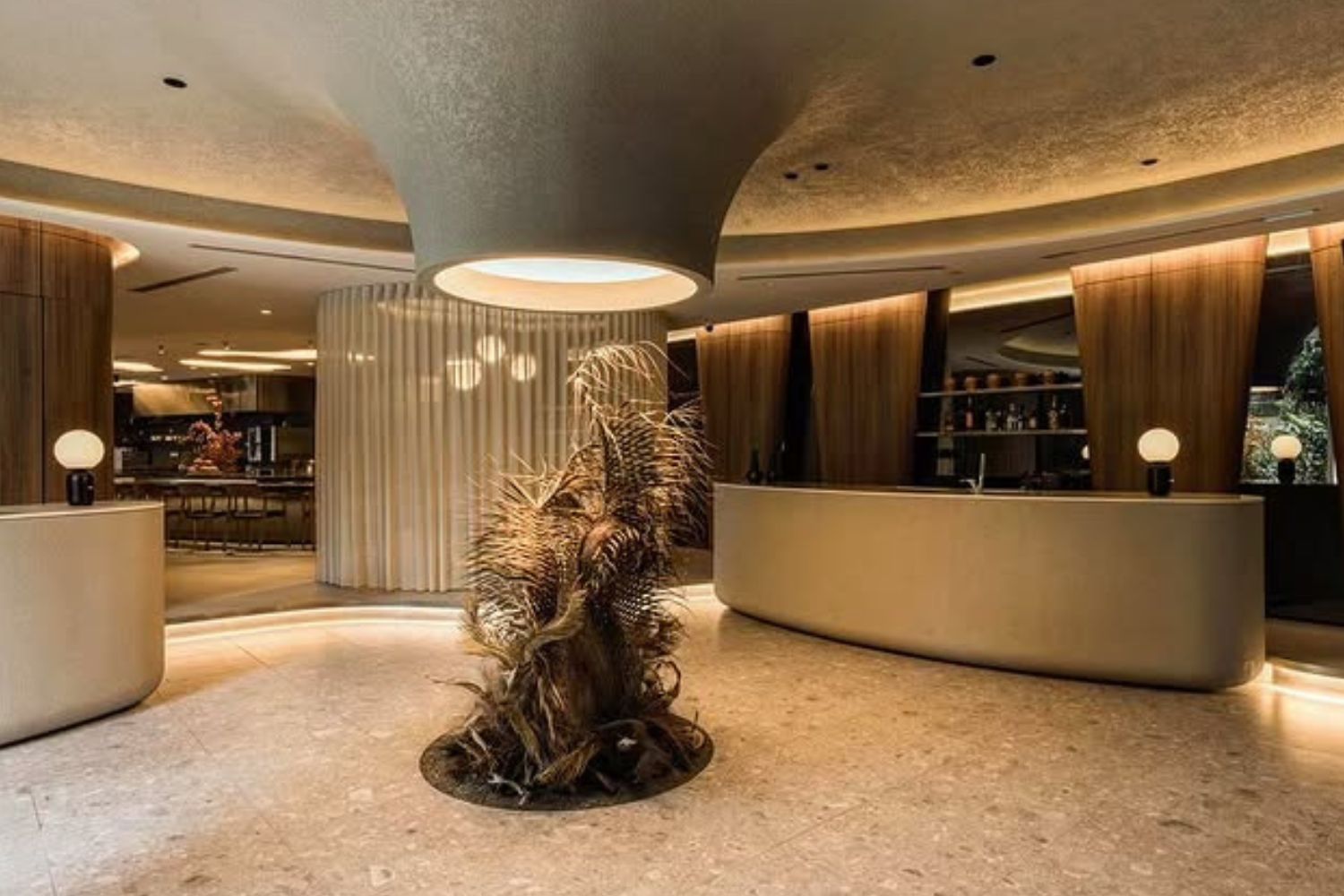
Seroja's interior. Courtesy of Seroja.
FIZ
Best for: Modern Malay cuisine
Neighborhood: Tanjong Pagar
Price: $$$$
North Stars:

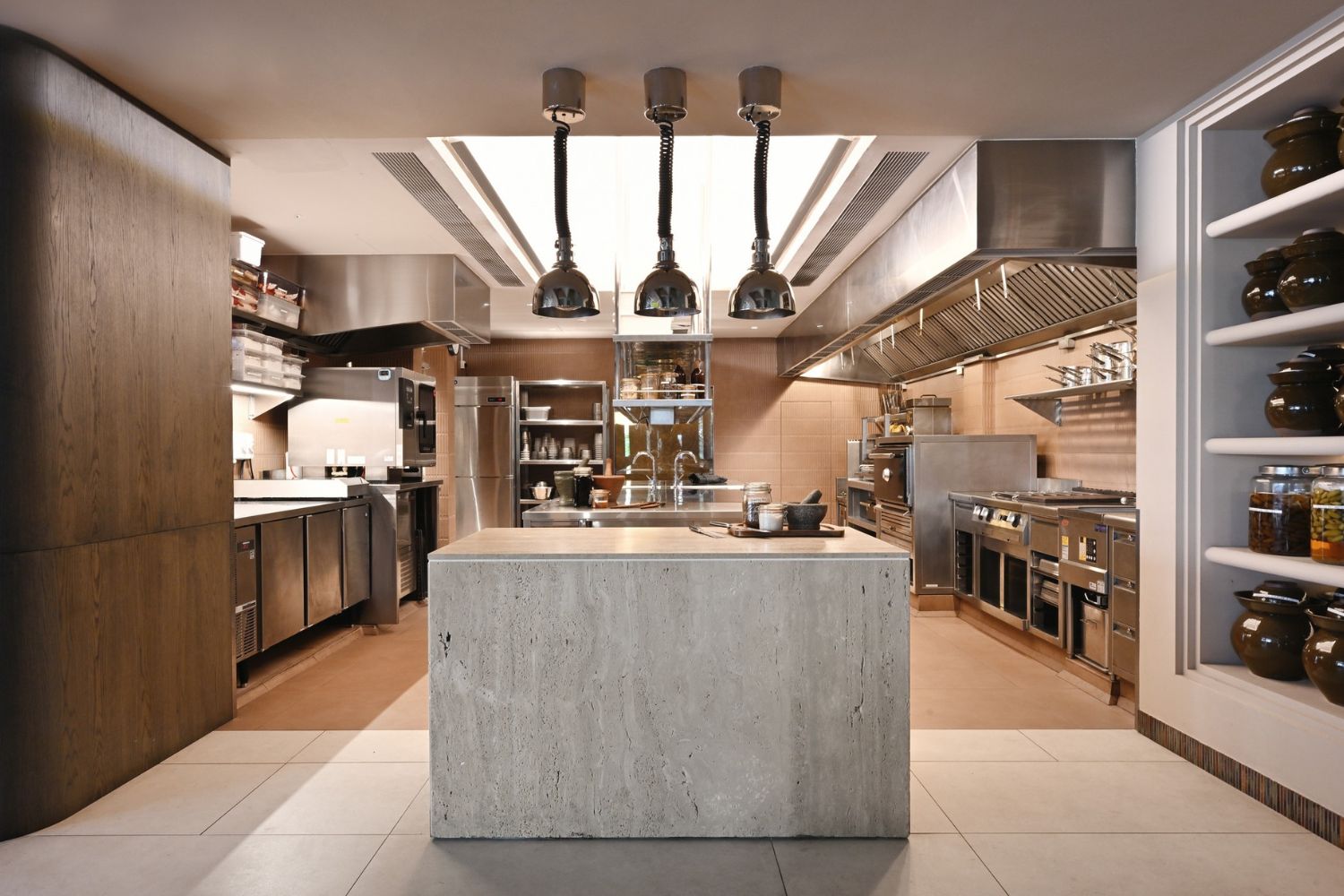
On Tanjong Pagar Road, in a narrow shophouse dining room, Restaurant FIZ treats Malay food as both archive and experiment, with tasting menus that trace specific regions and communities across Malaysia and the broader Southeast Asian coast. Owner-chef Hafizzul Hashim, who has cooked in several Michelin-starred kitchens, builds courses around traditional dishes and lesser-seen ingredients, then refines them with controlled fire, smoke, and long marinades rather than flashy tricks. The space is small, the lighting low, and the crowd skews people who read menus closely and like having the story of a dish without feeling like they’re in a lecture.
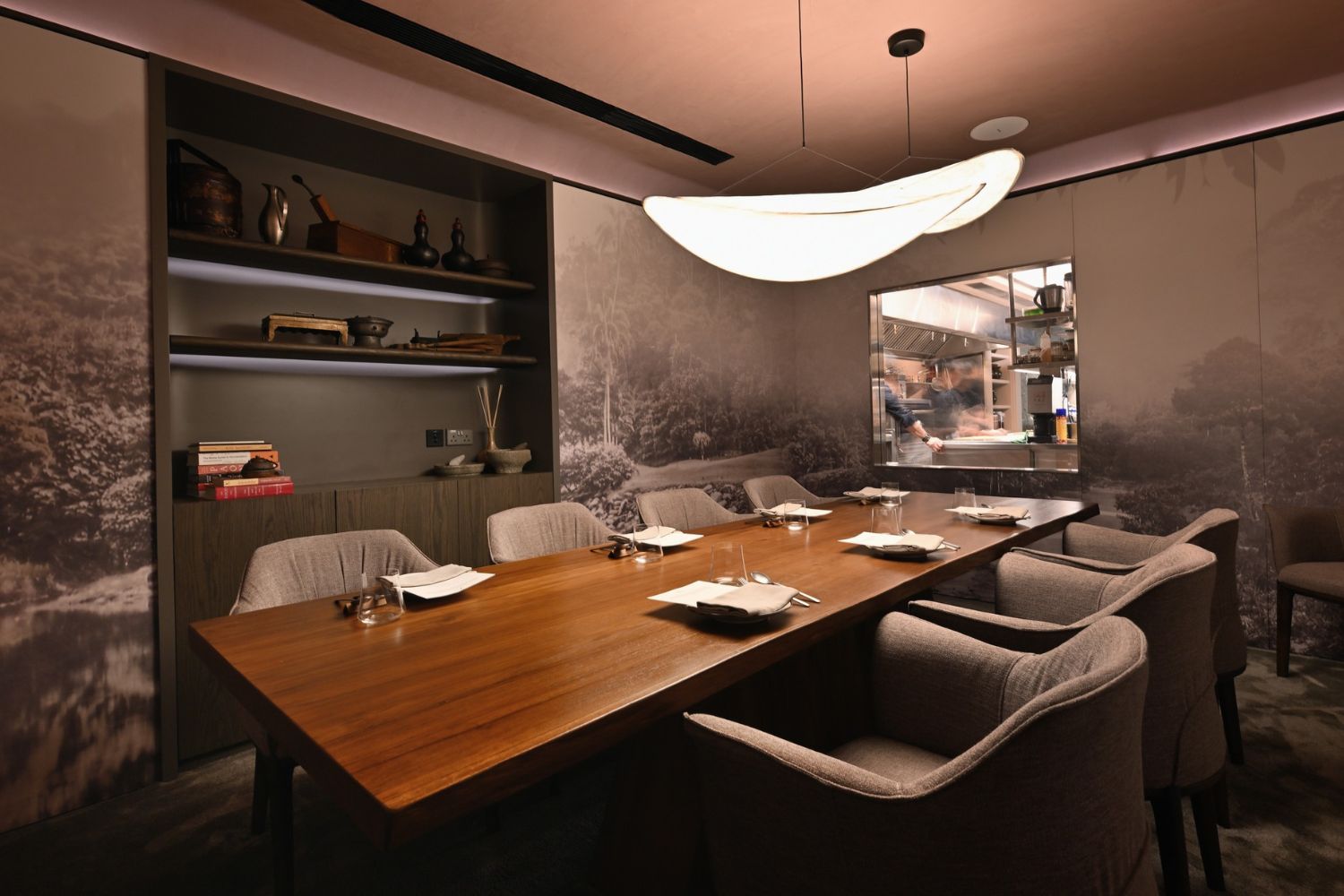
Interior view. Courtesy of FIZ.
Candlenut
Best for: Peranakan tasting menus in a leafy enclave
Neighborhood: Dempsey Hill
Price: $$$$
North Stars:
In a low-rise block at Dempsey, Candlenut serves Straits-Chinese dishes that helped push Peranakan cooking into the global spotlight, earning the restaurant the distinction of being the first Peranakan spot with a Michelin star. The airy, white-walled room is softened with rattan, timber and batik-inspired textiles, while the menu focuses on long-cooked rempah pastes, preserved ingredients, and layered spice work. Dishes come either presented either as communal plates or as a separate tasting menu. It’s the place to understand how classics from a very devoted home kitchen can read as upmarket restaurant food without losing their core.
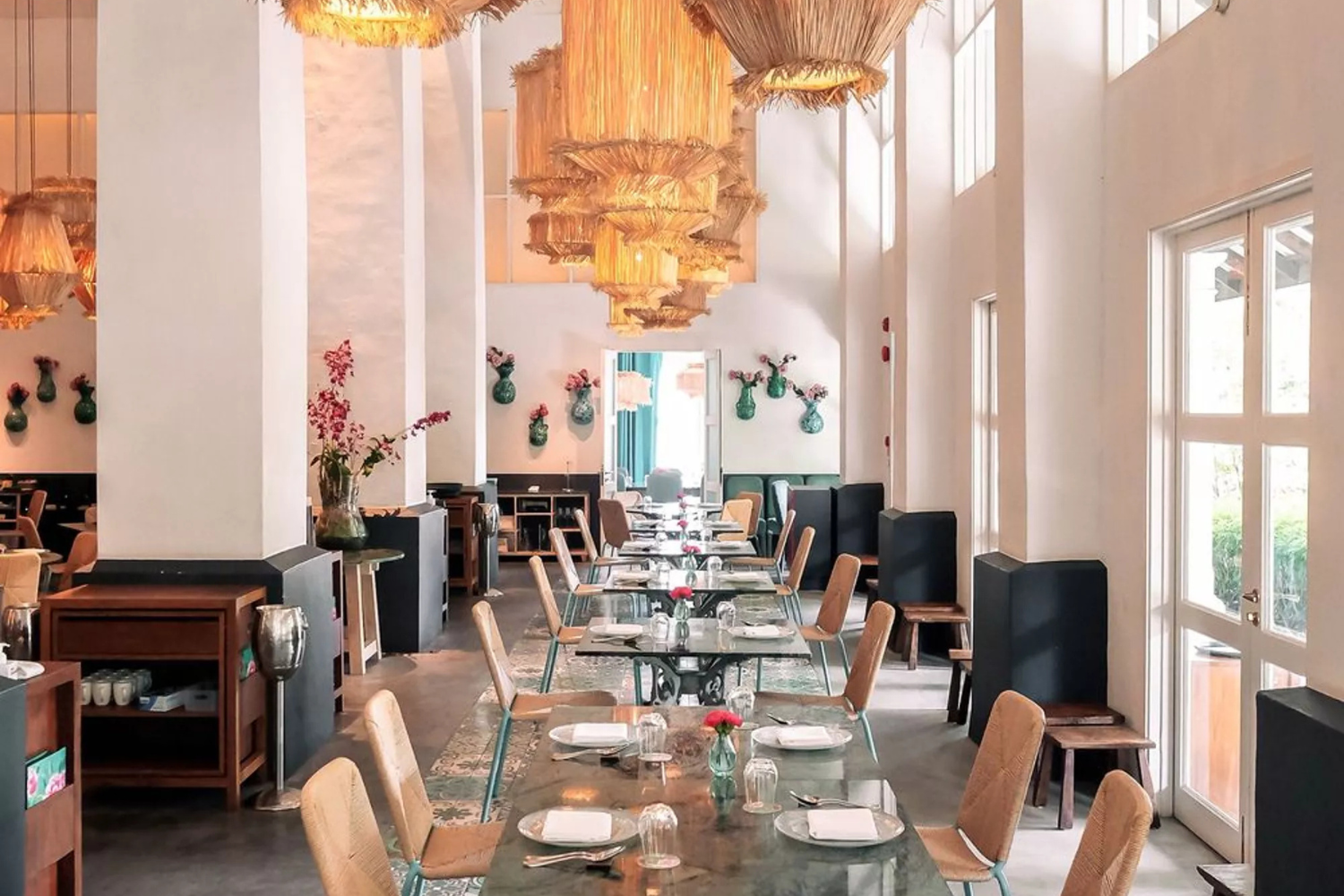
Interior view. Courtesy of Candlenut.
Open Farm Community
Best for: Garden-side meals with a clear supply chain
Neighborhood: Dempsey / Minden Road
Price: $$–$$$
North Stars:

Bordering its own urban farm on Minden Road, Open Farm Community feels like a glasshouse dropped into a field, with raised beds, fruit trees, and herb gardens feeding the kitchen. Menus are built around local and regional produce, often with herbs and greens harvested several feet away, with additional ingredients sourced from small farms in Singapore and Malaysia. Dishes range from vegetable-led pastas, big salads, and grilled plates meant for sharing. Inside, the room stays casual and family-friendly, with kids’ menus and a playground, so it works as well for long brunches as for low-key dinners.
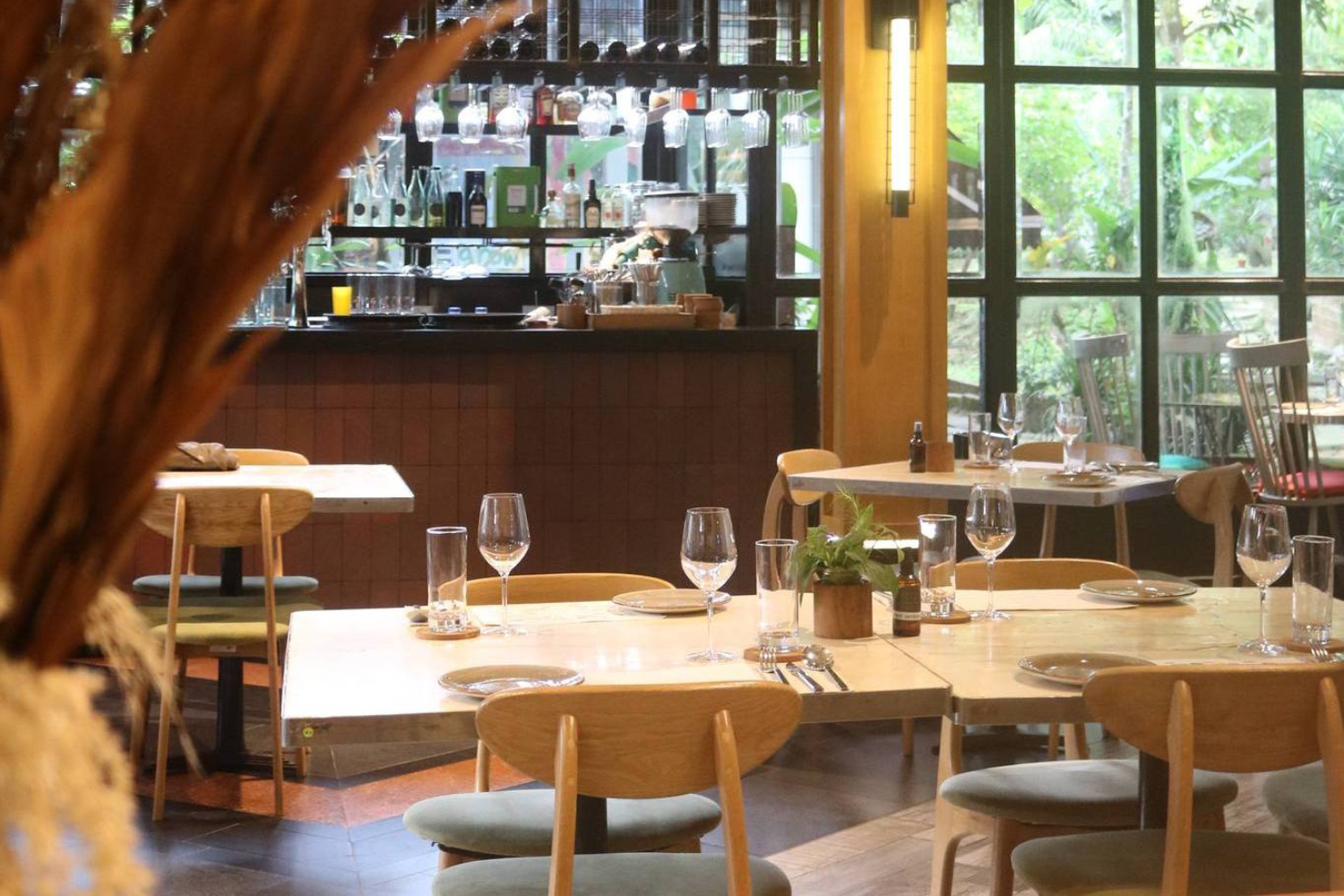
Interior view. Courtesy of Open Farm Community.
Scaled by Ah Hua Kelong
Best for: Seafood that really did come from just offshore
Neighborhood: Jalan Besar
Price: $$–$$$
North Stars:

On Hamilton Road in Jalan Besar, Scaled by Ah Hua Kelong builds daily meals around what its own offshore fish farms and partner kelongs supply, so the blackboard might list clams one night and whole seabass the next. Plates are playful and a little punk, often pairing Southeast Asian flavours with techniques borrowed from modern bistros, like barley “risotto” built on fish bone glacé or seabass done kabayaki-style instead of unagi. The room is tight, lively, and unfussy, the kind of place where you squeeze in with friends, share a table of seafood, and a couple of beers.
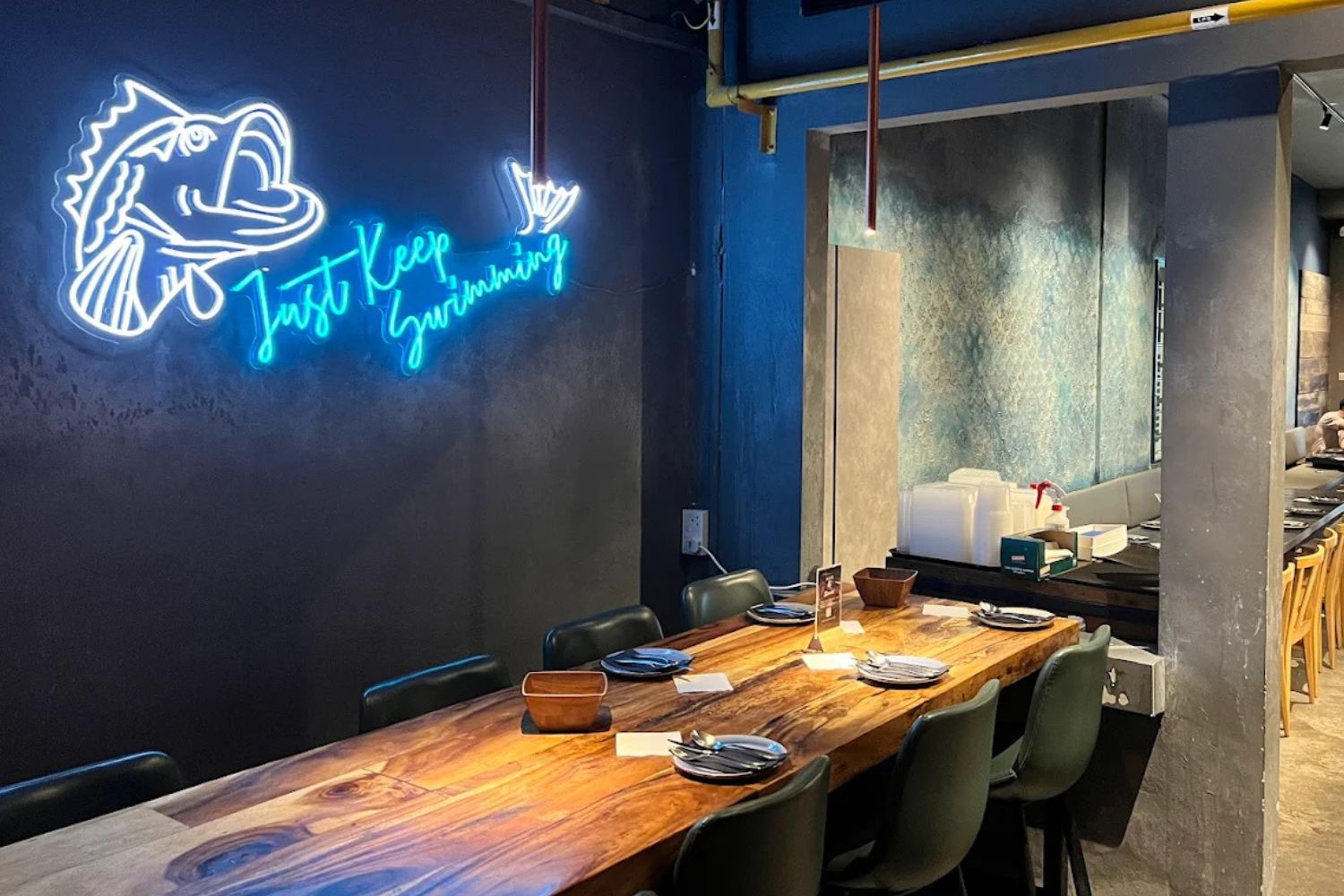
Interior view. Courtesy of Scaled by Ah Hua Kelong.
The Summerhouse
Best for: Long lunches in a garden setting
Neighborhood: Seletar
Price: $$–$$$
North Stars:
In a black-and-white bungalow out in Seletar, The Summerhouse feels like a countryside restaurant hidden inside the city, with lawns and glass garden domes set up for private dinners. The main dining rooms look onto greenery and kitchen plots, and menus weave herbs, flowers, and produce from the grounds together with ingredients from regional farms into grilled dishes and shareable plates. Between the building’s vintage vibes, outdoor tables, and domes glowing at night, it’s easy to stretch lunch late into the evening, especially for couples or groups who don’t mind being a drive away from central Singapore.
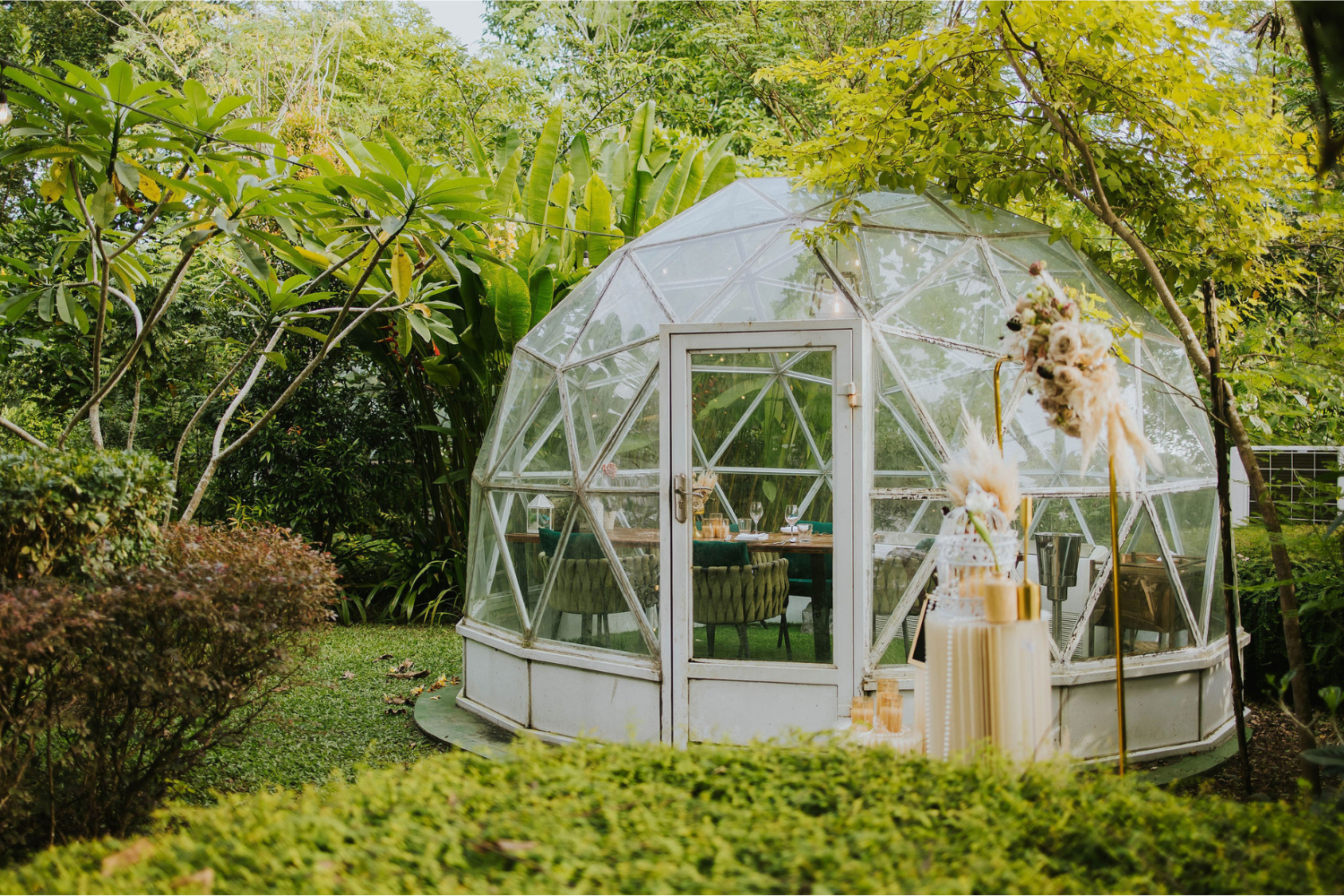
The Summerhouse Garden Domes. Courtesy of The Summerhouse.
Bollywood Veggies & Poison Ivy Bistro
Best for: A farm day with a simple, hearty meal
Neighborhood: Kranji Countryside
Price: $–$$
North Stars:
In the Kranji countryside, Bollywood Farms (formerly Bollywood Veggies) grows bananas, papayas, herbs, and vegetables across several acres, with walking paths, storyboards, and a small museum explaining how the farm came to be. After wandering the beds and shaded corners, you sit down at Poison Ivy Bistro for plates of rice, veggies, and curries built around whatever is ready to be plucked from the earth. It’s all served with house-made pickles, chutneys, and optional desserts. A small shop sells jams, snacks, and pantry items made from farm produce, which supports this rare project in a rural pocket of Singapore.
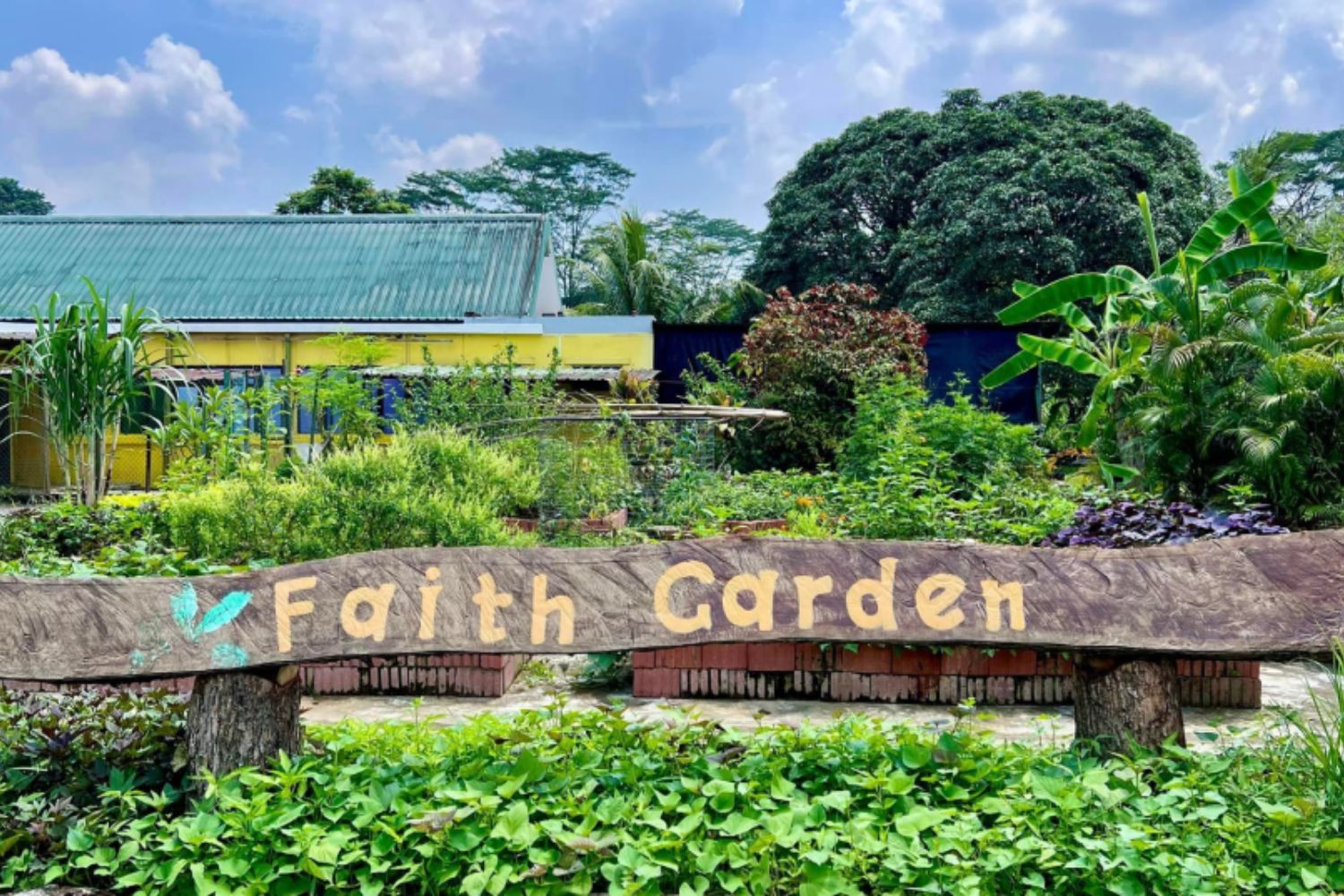
Outer view. Courtesy of Bollywood Farms.
AIR CCCC
Best for: Circular-economy dining on a full campus
Neighborhood: Dempsey Hill
Price: $$$$
North Stars:
Across a reworked former club building and lawn at Dempsey, AIR CCCC (Awareness, Impact, Responsibility) runs as a restaurant, circular campus, and cooking club, led by chefs Matthew Orlando and Will Goldfarb with hospitality entrepreneur Ronald Akili. The space feels casual but deliberate, with garden beds, a broad veranda, and an open kitchen turning out a Chef’s Choice menu that plays with whole-plant and whole-animal cooking. On-site gardens supply herbs and some vegetables, with regional growers filling in the rest. The creative zero-waste kitchen proves so clever, you’d never know that your boneless fish was made with the bones of your fish.
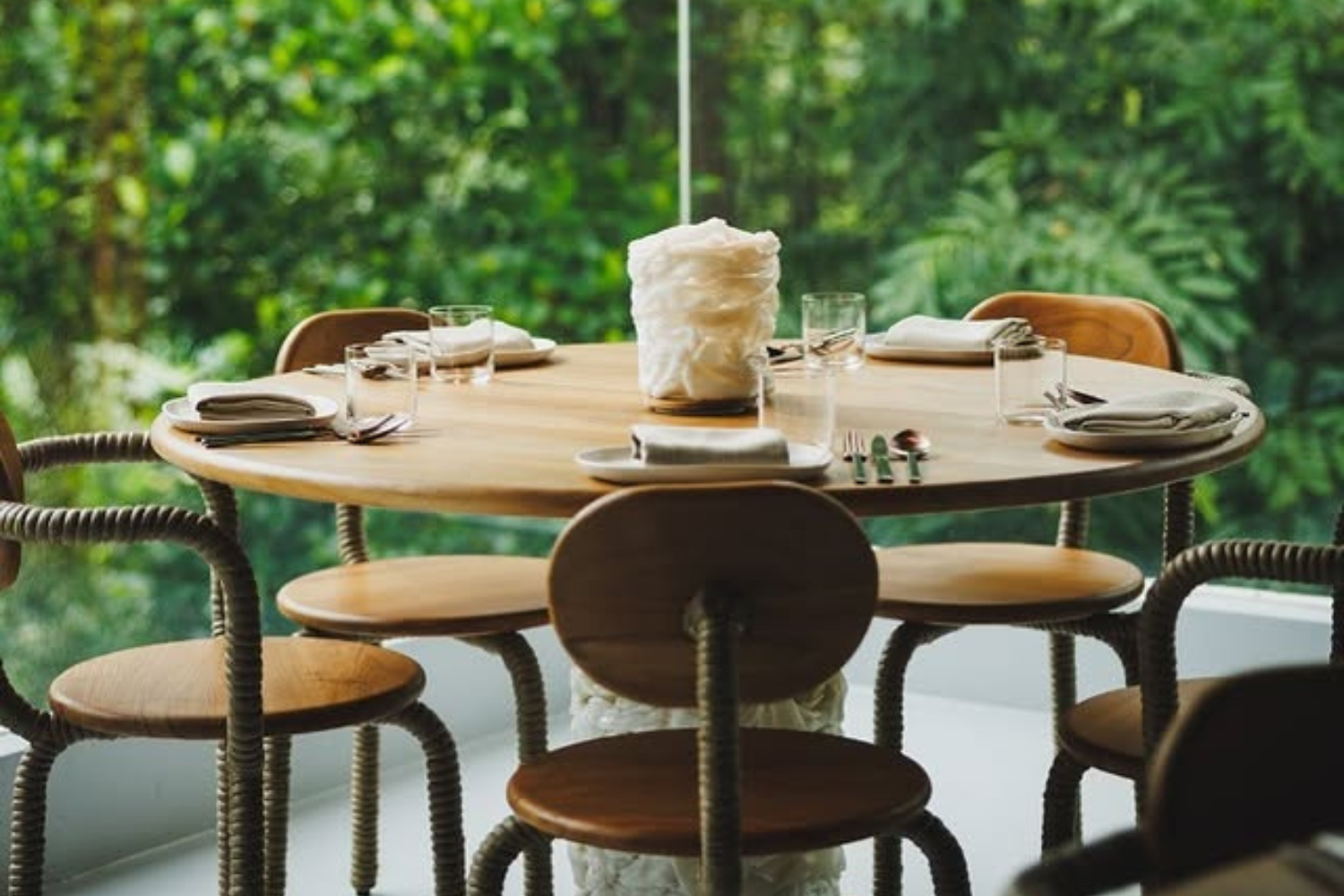
Dining corner with a nature view. Courtesy of AIR CCCC.
Heritage Hawker Centres
Best for: Everyday meals that define Singapore’s food culture
Neighborhood: Various (Chinatown, CBD, Little India, Tanjong Pagar)
Price: $–$$
North Stars:
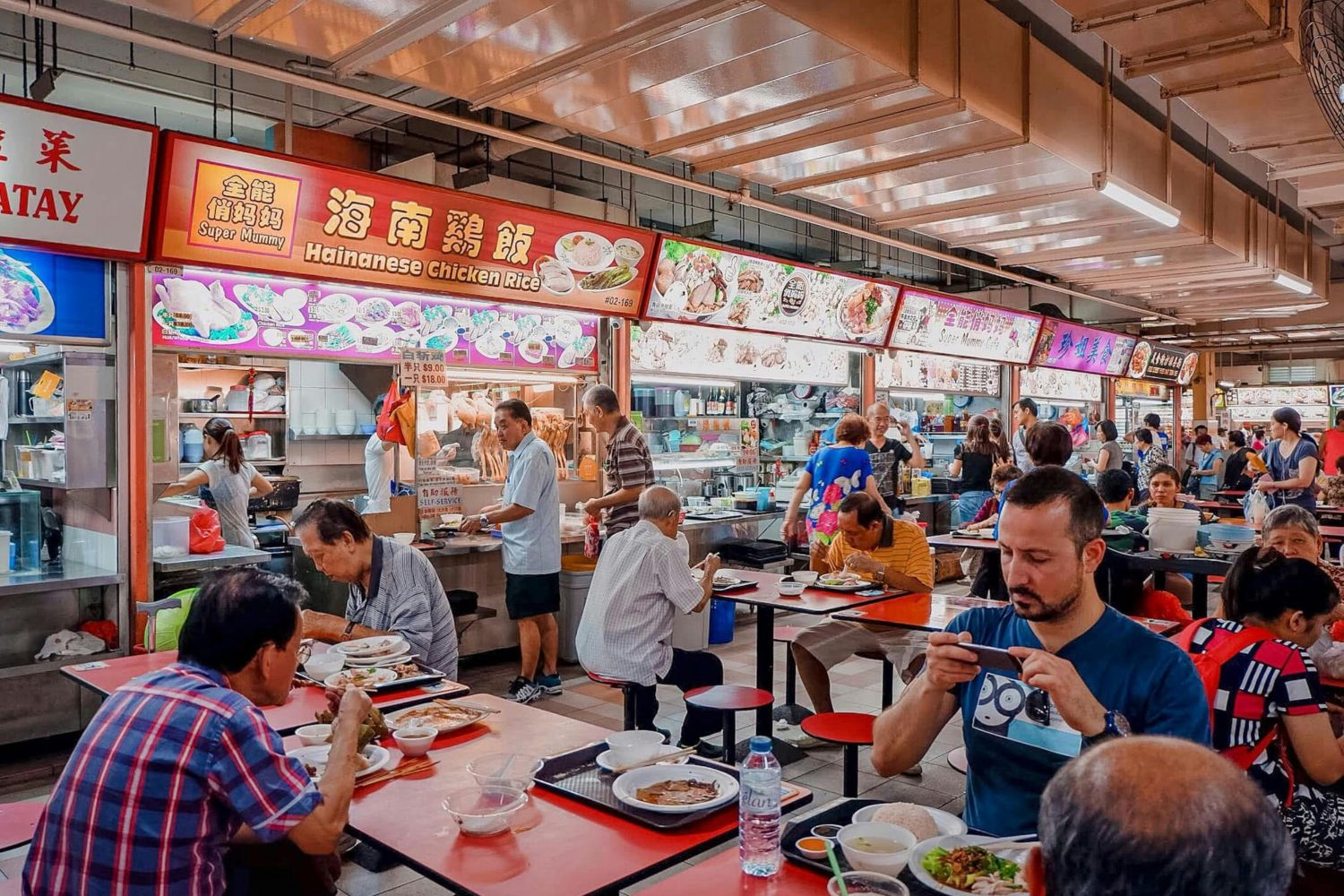
Across the island, heritage hawker centers such as Maxwell Food Centre, Amoy Street Food Centre, Tekka Centre, Chinatown Complex, and Lau Pa Sat remain the backbone of daily eating. UNESCO now recognizes hawker culture as intangible cultural heritage, and many stalls are run by second- and third-generation hawkers cooking Hainanese chicken rice, bak chor mee, thosai, nasi padang, roti prata, and dozens of other staples for regulars as much as visitors. Eating at hawker centers is the most direct way to support small food businesses in Singapore; the best strategy is simple: arrive hungry, share tables, read the signs, and follow the longest lines.