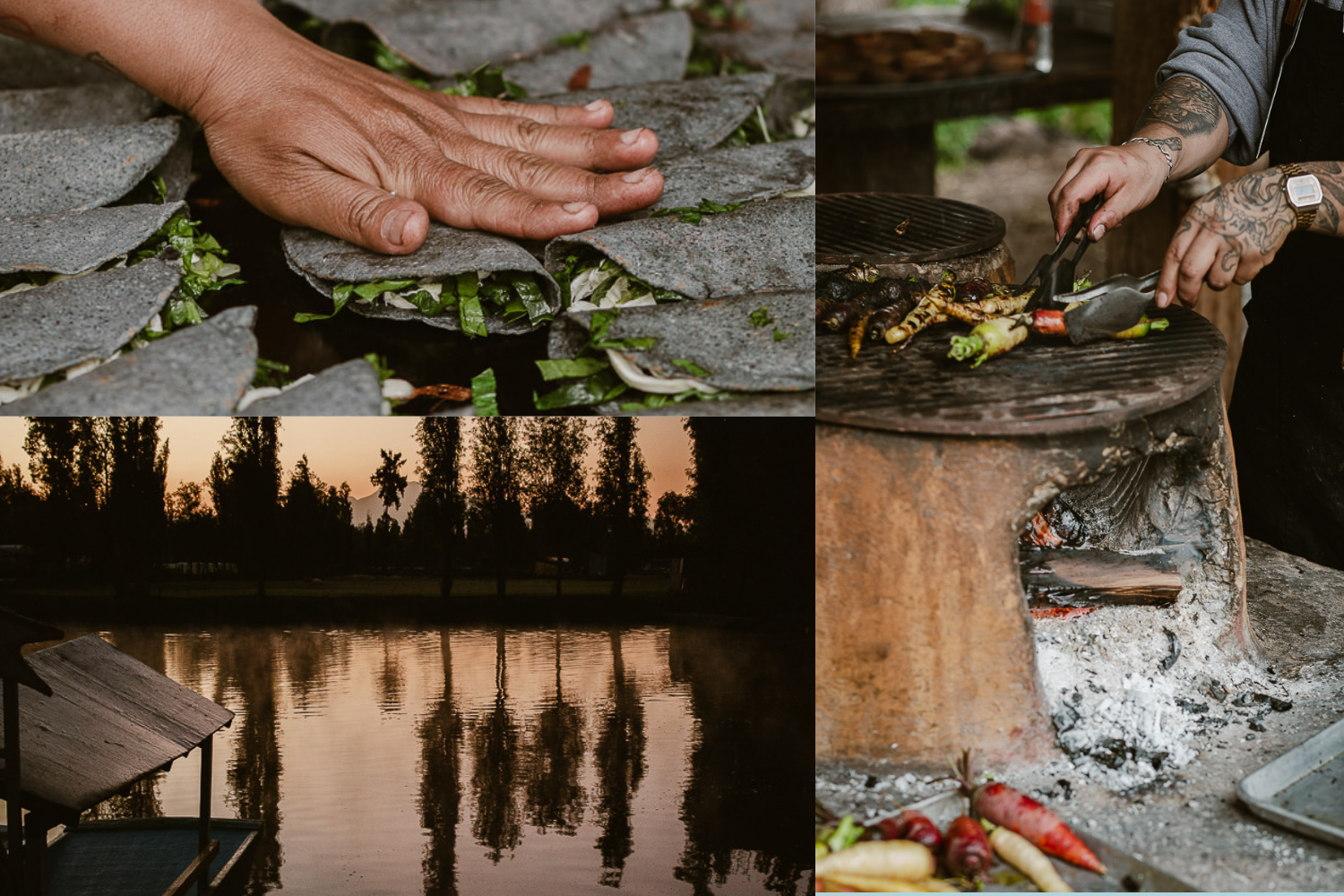
Mexico City rarely makes a modest first impression. The basin stretches toward distant volcanoes and whole neighborhoods seem stitched together by jacaranda trees, tiled facades, and corner taco stands. In the Centro Histórico, cathedral spires and mercados share space with contemporary galleries and rooftop bars. In Roma, Condesa, and Juárez, Art Deco and midcentury buildings hold cafés, wine bars, and chef-run kitchens that have reset the city’s dining scene. Beneath that surface, daily life still depends on the systems that shaped it centuries ago: canals and chinampas in Xochimilco, sprawling markets, and an informal food economy.
Read more on being a considerate visitor in Mexico City.
Mexico City’s most interesting places to sleep often hide behind old brick and stucco, in townhouses and historic casas rather than towers. The hotels in this guide stay small on purpose: a few rooms, a courtyard or rooftop to catch some air, and teams who remember what you like for breakfast. Many reuse existing buildings and swap plastic-wrapped amenities for refillable basics and local products, but they lead with atmosphere and comfort, not slogans. You check in, drop your bag, and feel like you’ve landed on the right block — your temporary home in the city.
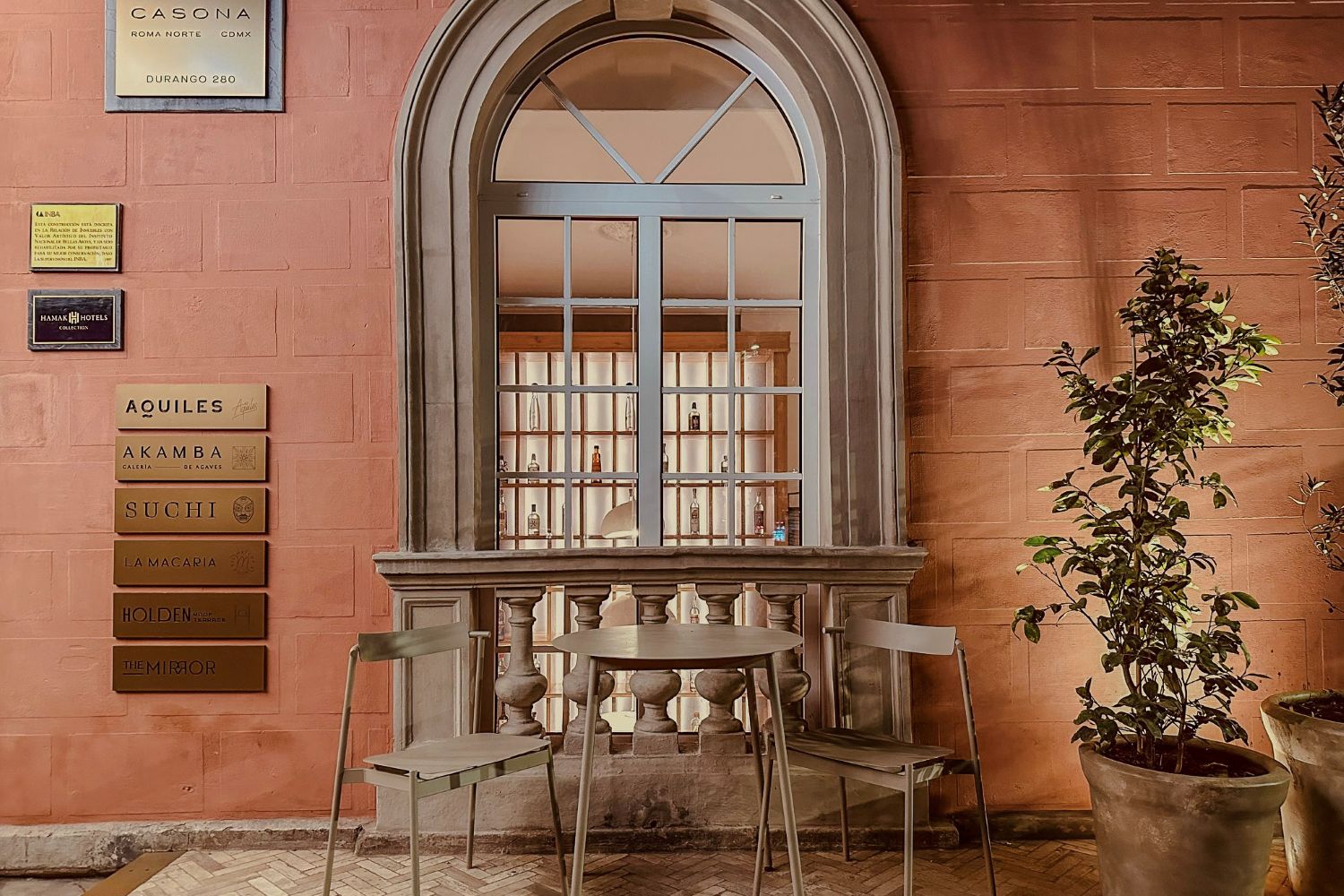
Best Restaurants in Mexico City
From seafood lunches and market cooking to tasting menus built on heirloom corn and chinampa-grown vegetables, Mexico City’s dining scene rewards curiosity. We’ve focused on kitchens that pay attention to where ingredients come from and who is cooking them, whether service happens in a faded mansion, a tight modern space, or a concrete pavilion over the lake. These are the places worth planning a reservation, or a long afternoon, around.
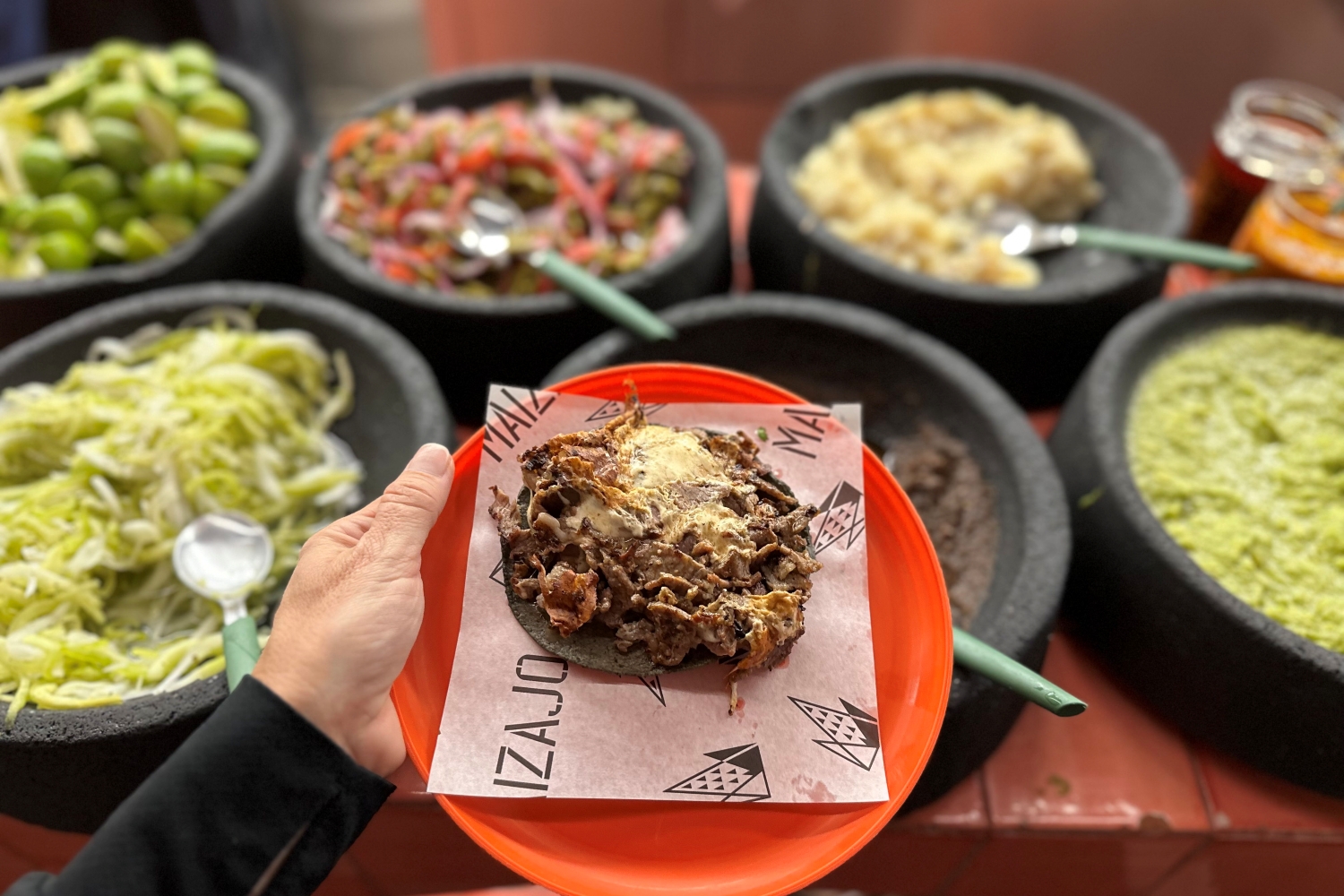
Best Cafes and Bars in Mexico City
These are our favorite cafés in Mexico City for single-origin coffee and the best bars in Mexico City for agave spirits and natural wine. Mexico City is as serious about its coffee as it is about its cocktails. The cafés in this guide focus on single-origin, traceable beans, often from Mexican regions rarely seen outside the USA. After dark, natural wine, agave spirits, and thoughtful cocktails take over, so what’s in your glass tastes like the city’s current zeitgeist.
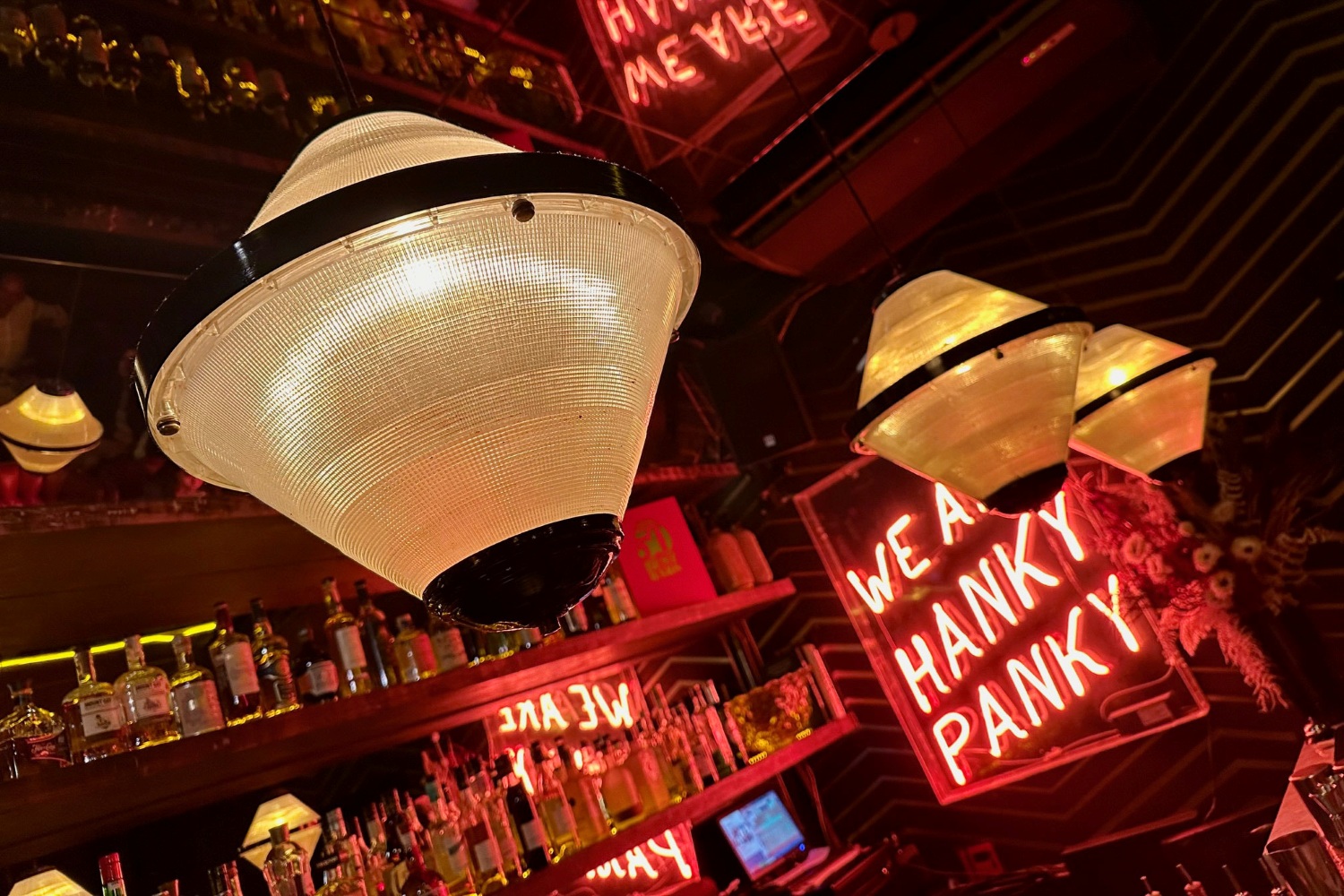
Best Shops in Mexico City
These are our favorite retailers for the best ethical and sustainable shopping in Mexico City. Shopping in Mexico City can mean stepping into a fashion label’s townhouse, a vintage furniture showroom, or a perfumery that smells like Latin American botanicals. We’ve highlighted boutiques and studios where you can trace who designed, restored, or crafted the pieces, from circular denim to midcentury chairs given a second life.

Best Activities and Food Tours in Mexico City
The most memorable things to do in Mexico City rarely involve standing in Instagram-driven lines. This guide favors the cool, the small, the insightful, from women-led food tours, chinampa farm visits, mezcal tastings with micro-producers, and market-to-table cooking classes that introduce you to the people behind the city’s food and drink.