North Stars:

Production & Consumption

Waste Management

Community Support
“The first responsibility of any chef should be to work with the local community and its ingredients.“
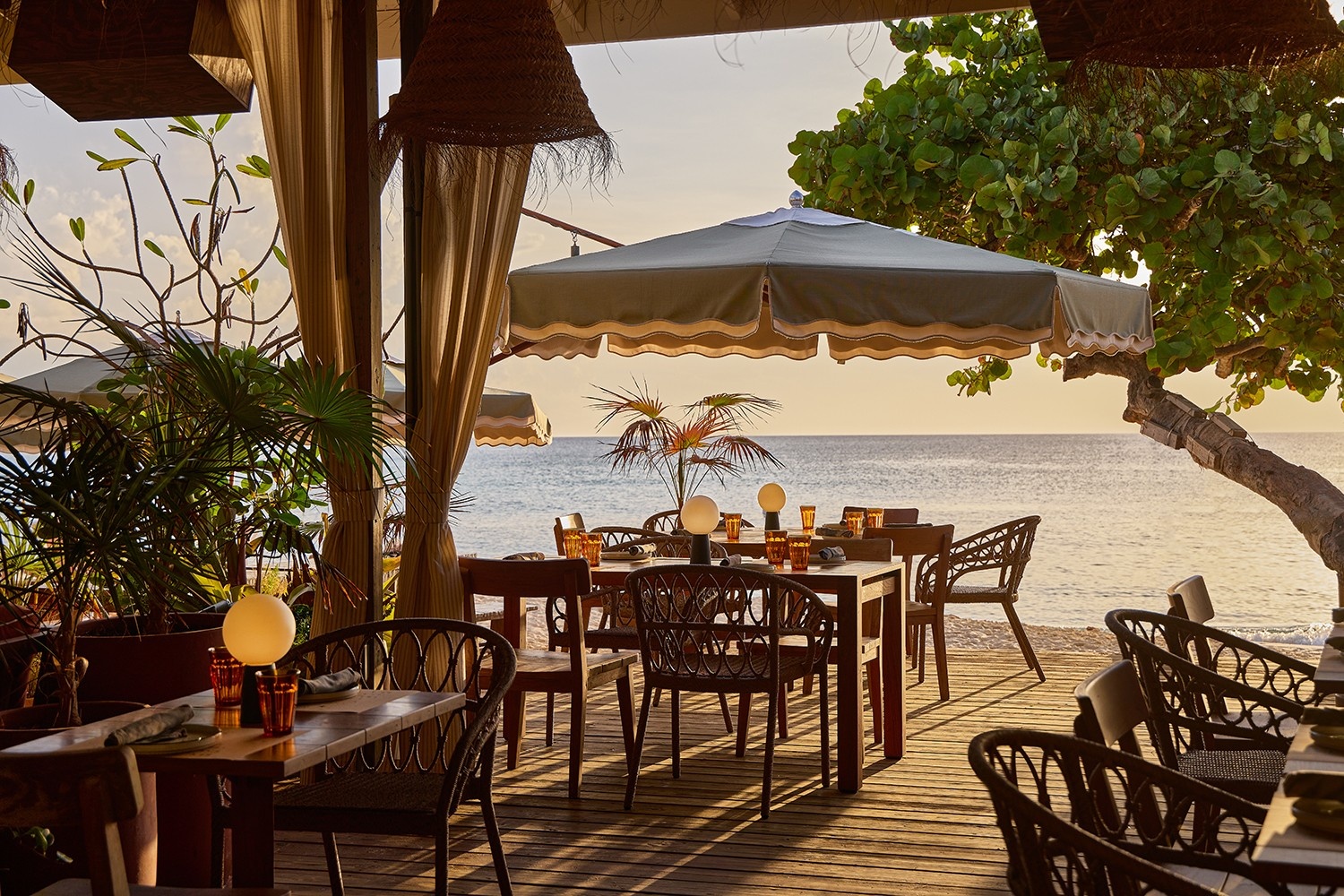
For visitors and locals alike, Seven Mile Beach on Grand Cayman Island is a favorite haunt. In between swimming in the piercingly clear waters and soaking up the sun, beach-goers can head to Bonny Moon Beach Club, one of many eateries lining this strip of sand, to refresh themselves with food and drinks. A popular order is the tropical fruit platter, a juicy cornucopia that, in summer, includes papaya, mango, and custardy-sweet naseberry.
Until recently, these fruits of paradise were among the few things actually grown on Grand Cayman Island. Due to factors like lack of water and arable soil, constricted space, and, historically, a focus on exportable plantation cash crops, agriculture here — as with other Caribbean islands — has been limited. Most kinds of fruits and vegetables need to be shipped in from elsewhere. But that’s starting to change, thanks to a growing network of farmers, chefs, and food advocates who are transforming this tropical island into a self-sustaining paradise.
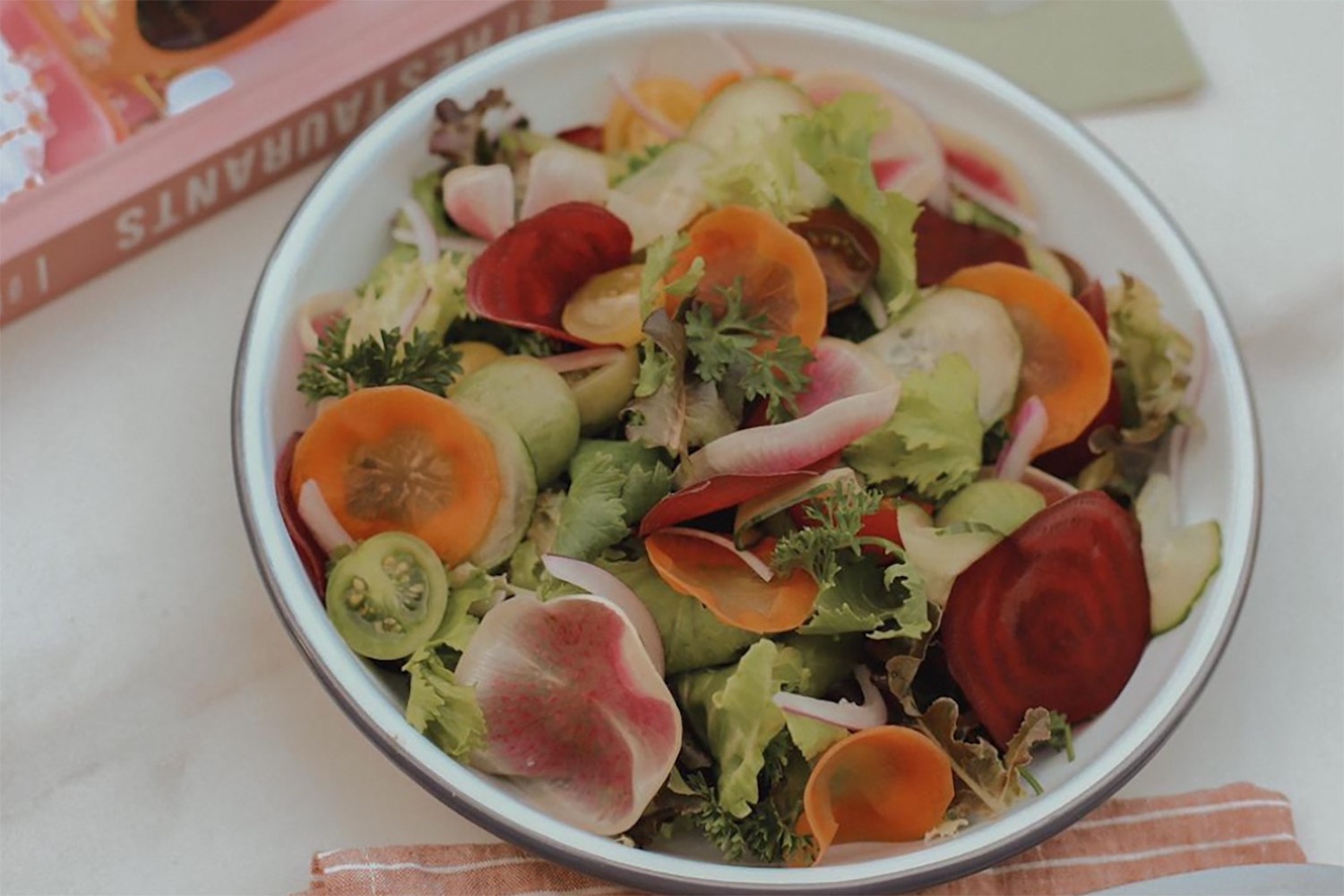
Farm-fresh salads at Ms. Piper's. Courtesy of Ms. Piper's.
Building Sustainable Farming, From the Ground Up
Although soft powder coats the beaches and lush tropical foliage fills the interior, the Cayman Islands have almost no arable soil, despite appearances. Historically, few fruits and even fewer vegetables were grown commercially, making the islands dependent upon imported and treated produce from states such as Florida, whose infrastructure and economy are set up for large-scale production.
Beacon Farms, a non-profit farm based on Grand Cayman, is one of the leaders of a new movement for the islands to grow more of their own produce. Founded in 2017, the farm — which also provides a stable and sober work environment for Caymanians recovering from substance abuse — grows everything from mangoes and potatoes to corn and beets.
A research and development garden allows workers to trial different kinds of produce and see how it fares in the Caribbean climate. What’s grown is sold at the farm’s shop, as well as at island markets. From its work growing and distributing fresh, seasonal ingredients to training workers in new skills and helping those in recovery rebuild their lives, it touts its mission as the advancement of agricultural literacy.
But before any of that was possible, the farm first needed something the island lacked: arable soil. So it made its own.
“We started with 34 acres of rock. We weren’t able to come in and ‘just plant,’” said Sandy Urquhart, Beacon Farms Director and Chief Executive Officer. In addition to breaking down rocks to create dirt, Beacon partnered with a local composting facility, Island Waste Carriers, to create fertile soil.
“We’ve been able to make soil with machinery that grinds rock to dust, and then supplement it with the only static aeration composting facility in the Caribbean. We’ve been able to turn this into grade-A compost, which has never been done before,” said Urquhart.
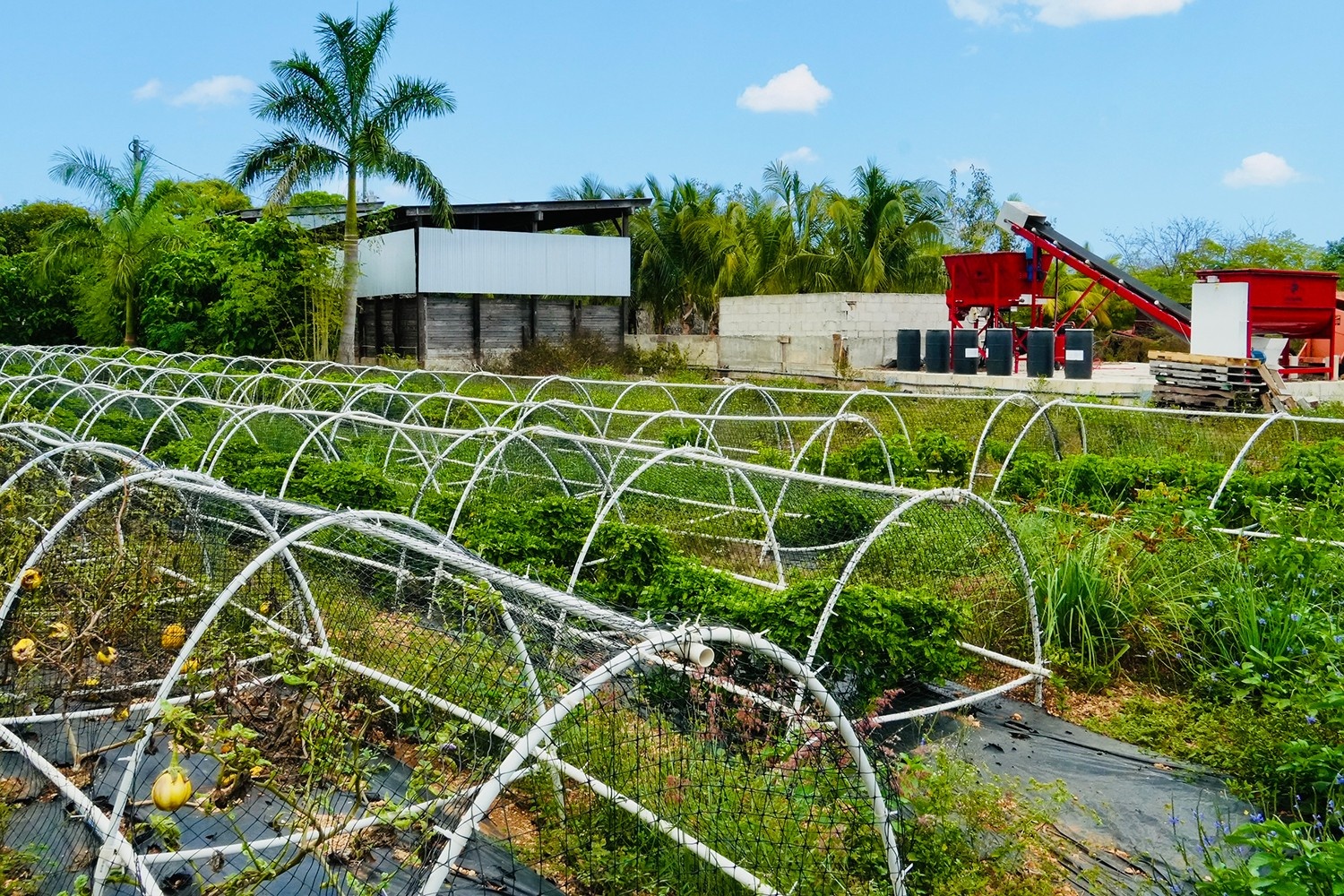
Beacon Farms. Courtesy of Jane Moon.
A Symbiotic Relationship
Since Beacon Farms kicked things off in 2017, a thriving ecosystem has taken shape. It now links Island Waste Carriers with a small but growing group of island restaurants that source food from the farm then return food waste to the earth through their composting partner. Going one step further, food waste collected from homes and businesses is transformed into nutrient-rich compost, helping rebuild the soil needed to grow local produce.
Hailed as the Culinary Capital of the Caribbean, Grand Cayman is packed with fantastic eateries. A handful, including Vida, Bacaro, Calypso Grill, and The Wharf, has enthusiastically joined this “Cayman-created” regenerative food movement. The movement both provides better, fresher, and healthier food to patrons and takes better care of the island’s environment and community.
“The first responsibility of any chef should be to work with the local community and its ingredients,” said chef Charlene Dion, who helms the kitchen at Bonny Moon Beach Club on Seven Mile Beach. “That’s how you capture the real taste of a place, and at the same time, you create opportunities for the people who live here.”
An active commercial and residential recycling advocate, Dion was thrilled to join this locavore mission when Bonny Moon opened in late 2024.
“I’m excited to lead with sustainability, with a cycle where all our food waste goes back to Beacon to be used as compost,” she says. “That compost then helps grow new vegetables in a natural, organic way. It creates this beautiful loop where nothing is wasted, and the land is constantly being renewed.”
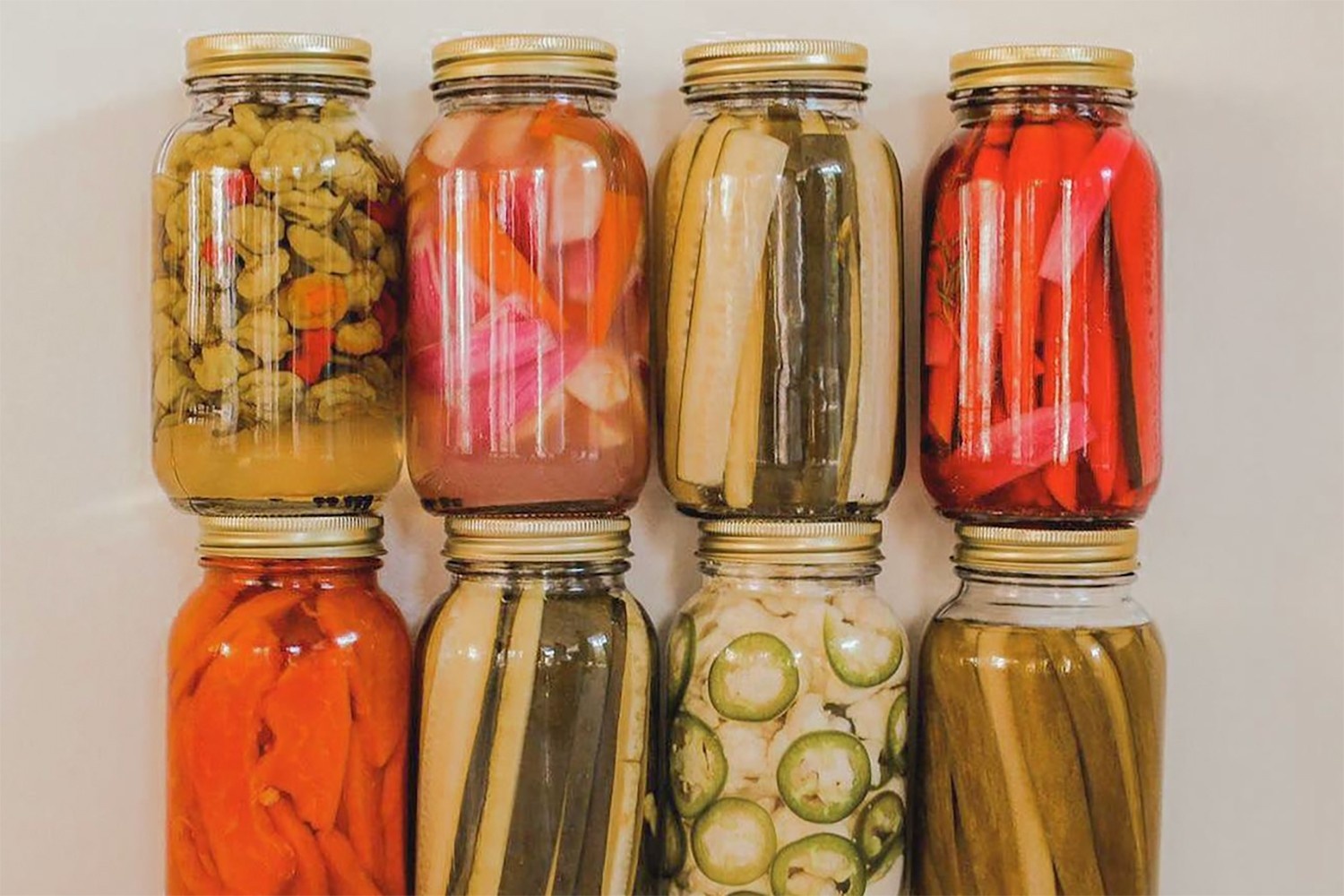
Pickled goods at Ms. Piper's. Courtesy of Ms. Piper's.
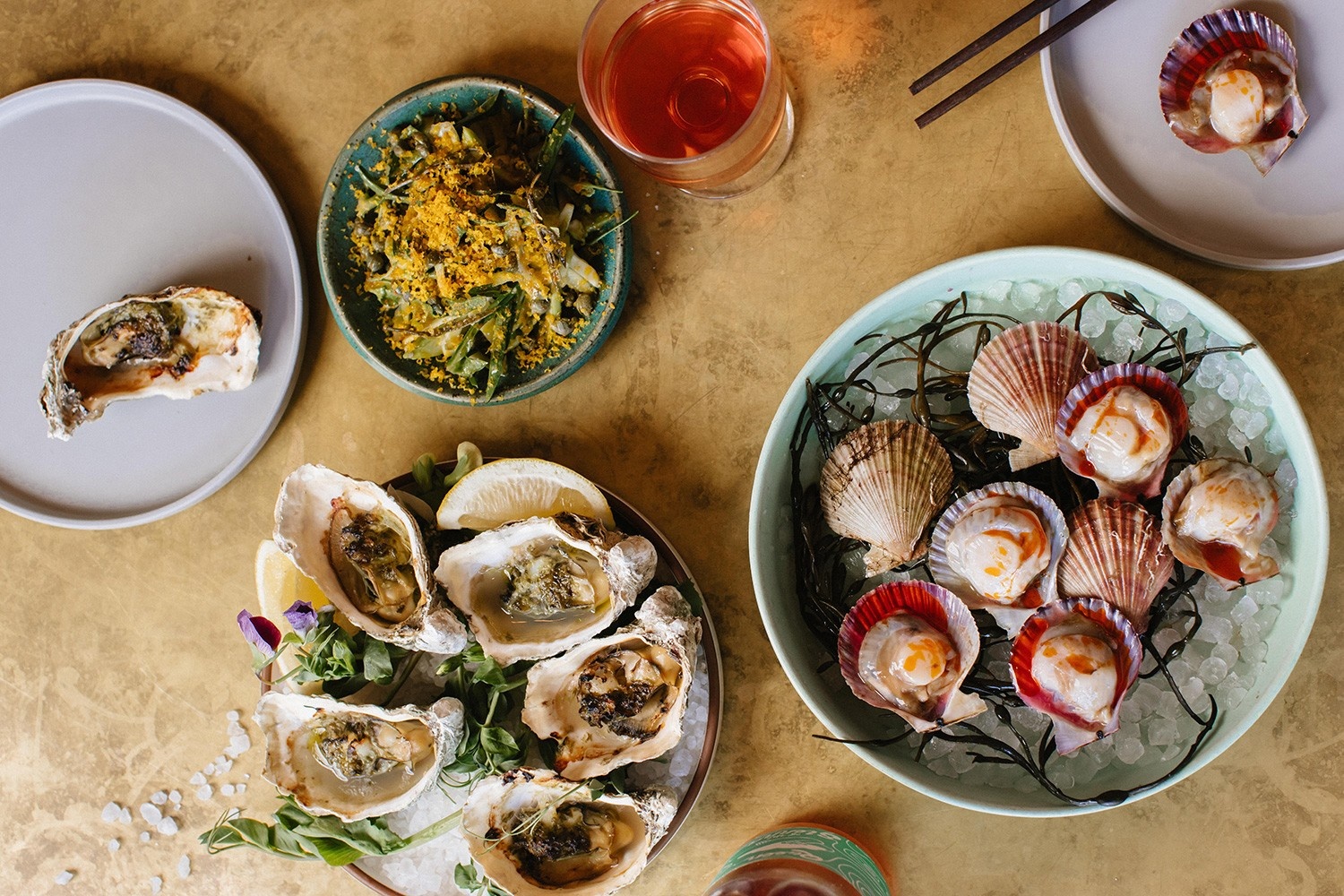
Another restaurant leading the charge includes Ms. Piper’s Kitchen + Garden, where chef Ayelen Esquef and mixologist Angie Cruz repurpose ingredients through a low-waste kitchen ethos. Fruits peeled for cocktail garnishes get juiced and turned into vinaigrettes, then poured over garden salads from Beacon Farms-grown produce. Stems and rinds get pickled in jars for both display and to accent dishes, as needed.
Bonny Moon and Ms. Piper’s are the leading few of Beacon Farms’ restaurant partners, and were also the first restaurants to work with Island Waste Carriers. Both partnerships have been so fruitful that chefs Dion and Esquef are in talks with Beacon Farms to add more plots at the farm for their restaurants. Island Waste Carriers has received so much refuse that it’s working on expanding to a bigger facility nearly triple its current size.
With the success of the collaboration between the farm, composting facility, and restaurants, it’s proof of concept that local and zero-waste farming is possible on Grand Cayman.
“By starting with a slow expansion among commercial sites like restaurants and hotels, we can develop a mass-composting exercise for the country to supplement the meager amount of soil we have,” said Urquhart.
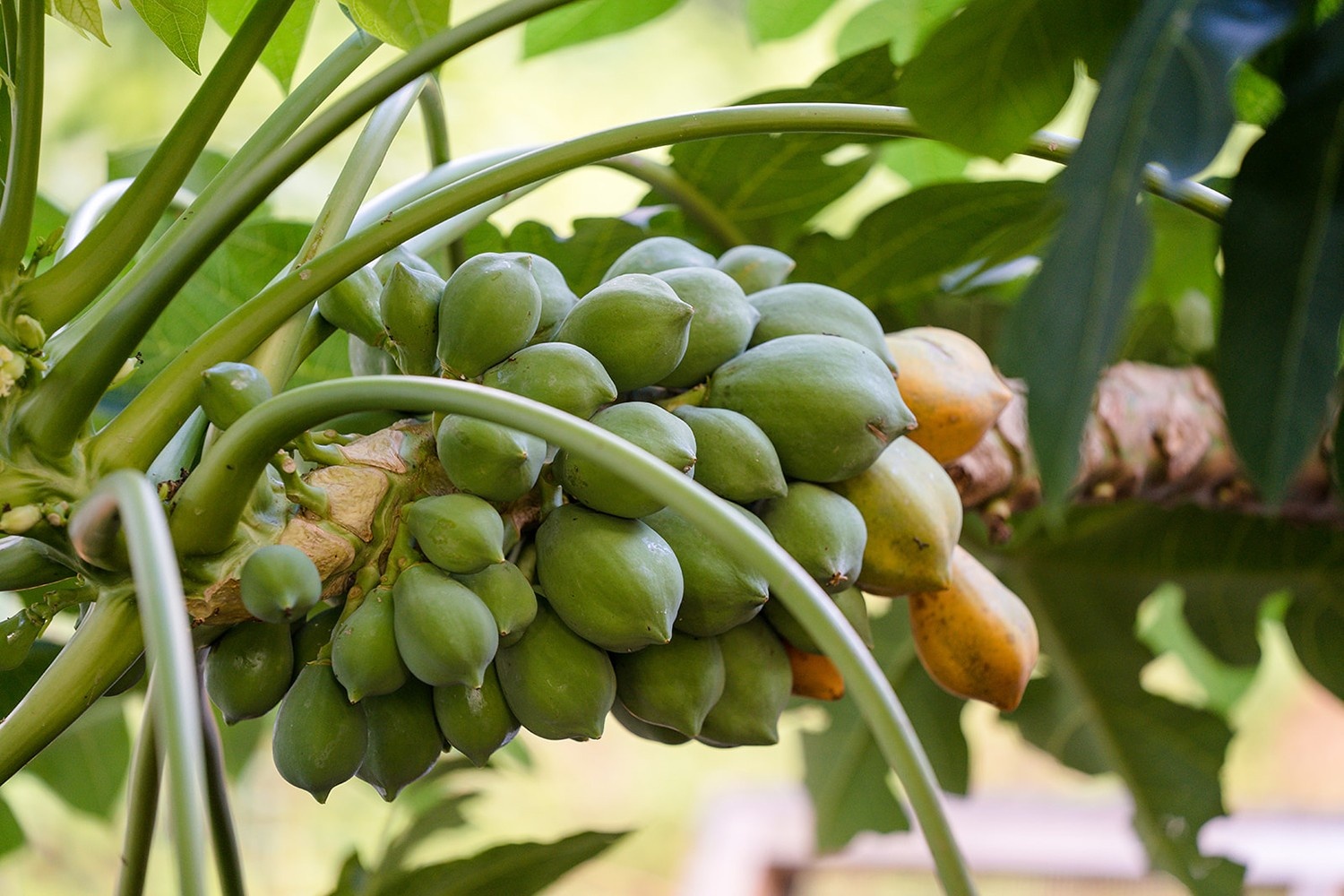
Papayas at Beacon Farm. Courtesy of Beacon Farms.
New Life for the Land and Locals
The impact is practical. Residents gain access to fresh food without the preservatives required for long shipping routes, while fewer imports reduce the island’s reliance on external supply chains.
The system also creates jobs. At Beacon Farms, which operates as a recovery-based program, that includes training, health care, pensions, and a stable living wage for people often excluded from traditional employment.
“On a tiny island like this, when 98 percent of food is from abroad, empty shelves during COVID made it clear that we need to be thinking about food security and agricultural literacy,” said Urquhart. “If vegetables are being grown in California, where there’s drought, or in Mexico, then shipped to the U.S. and on to us, there’s real potential for instability.”
With Beacon Farms, Island Waste Carriers, and local restaurants now working in concert, the model is positioned to keep growing — and to offer a blueprint other islands could adapt.
Carley Thornell is a Boston-based travel writer who’s been to 60-plus countries. Her work has appeared in Travel + Leisure, Afar, Robb Report, Skift, Global Traveler, The Boston Globe, and many other publications. Her beats (and passions) include sustainability, accessibility, epicurean delights, luxury, and – most recently with the addition of her son – family travel. Carley has a Pulitzer Prize in spot news reporting.